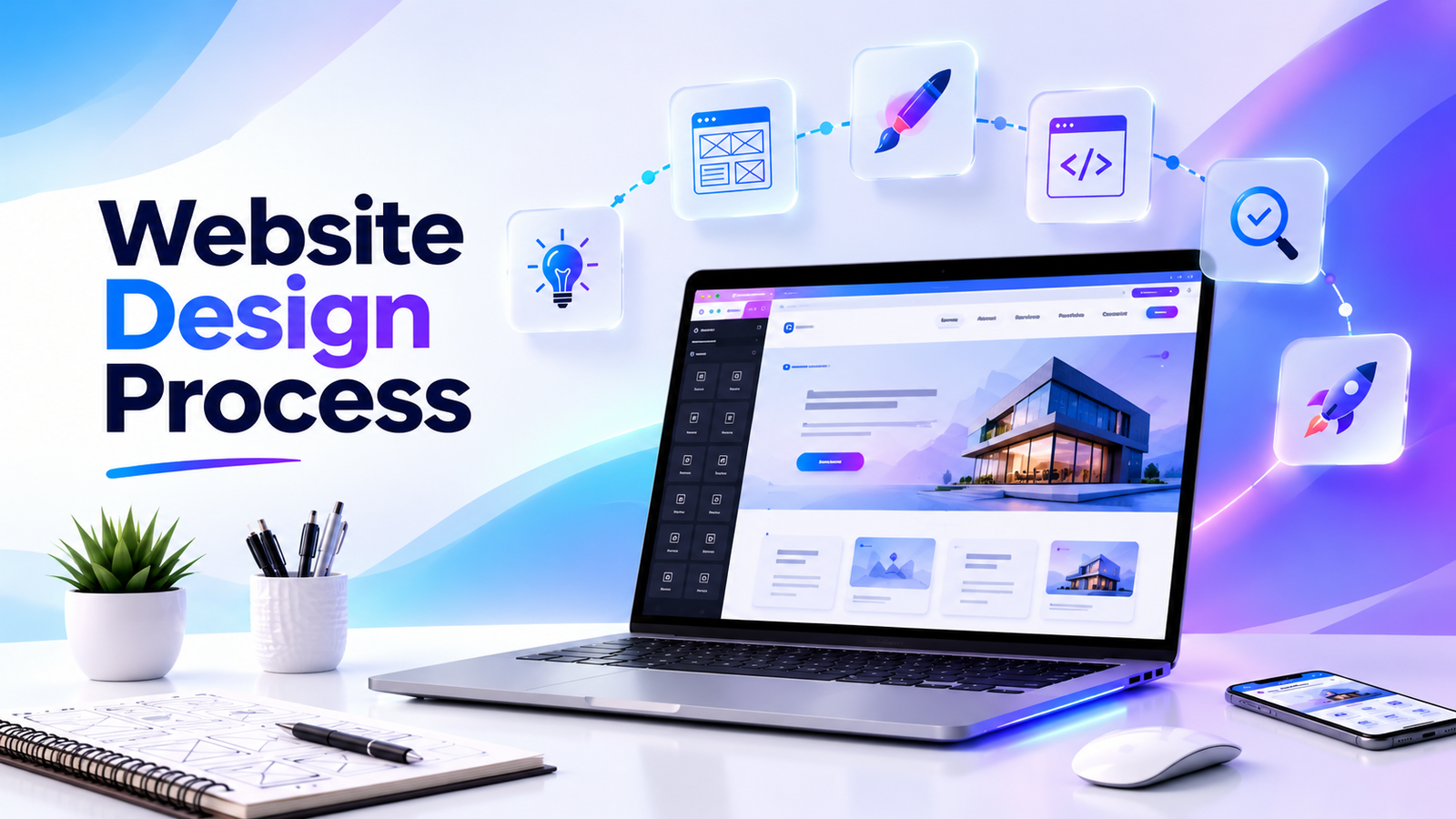
Creating a successful website involves much more than choosing a template and publishing a few pages. A professional WordPress website is built through a structured process that combines strategy, design, development, testing, and optimization. Every stage plays an important role in creating a website that not only looks beautiful but also delivers excellent performance, ranks well on search engines, and converts visitors into customers.
Many businesses underestimate the planning involved in building a website. They focus only on visual design while ignoring user experience, SEO, performance, security, and future scalability. The result is often a website that looks attractive but fails to achieve business goals.
A professional WordPress website design process ensures every detail is carefully planned before launch. From understanding your business objectives to optimizing speed and security, each step contributes to building a website that supports long-term growth.
In this guide, we’ll walk through the complete WordPress website design process—from the initial idea to a successful website launch.
Step 1: Understanding Business Goals
Every successful website starts with a clear understanding of the business.
Before any design work begins, it’s essential to identify:
- Business objectives
- Target audience
- Services or products
- Competitors
- Brand identity
- Website goals
For example, a law firm website, an online store, and a restaurant website all have different requirements. Understanding these goals helps create a website that solves real business problems instead of simply looking attractive.
Step 2: Planning the Website Structure
After defining business goals, the next step is planning the website architecture.
This includes organizing pages such as:
- Home
- About
- Services
- Portfolio
- Blog
- FAQ
- Contact
A clear website structure improves user experience and helps search engines understand your content.
Planning navigation early also ensures visitors can quickly find the information they’re looking for.
Step 3: Wireframing and Content Planning
Before adding colors and graphics, designers create wireframes.
Wireframes are simple layouts that define the placement of important elements such as:
- Headlines
- Images
- Buttons
- Contact forms
- Testimonials
- Service sections
At the same time, website content is planned carefully.
High-quality content improves SEO while clearly communicating your value to potential customers.
Step 4: Designing the User Interface
Once the structure is approved, visual design begins.
This stage focuses on creating a clean, modern, and professional appearance using:
- Brand colors
- Typography
- Icons
- Images
- Spacing
- Layout consistency
A well-designed interface builds trust and encourages visitors to stay longer on your website.
Every design decision should support readability, accessibility, and user engagement.
Step 5: WordPress Development
After the design is finalized, development begins.
Using WordPress and Elementor, each page is built with responsive layouts and optimized components.
This stage includes:
- Building page layouts
- Creating responsive designs
- Setting up navigation
- Adding forms
- Integrating plugins
- Configuring SEO settings
- Optimizing images
The goal is to transform the design into a fully functional website.
Step 6: Performance Optimization
Website speed directly affects user experience and search rankings.
Professional optimization includes:
- Image compression
- Caching
- Lazy loading
- Code optimization
- CSS and JavaScript minification
- Database cleanup
- Core Web Vitals improvements
A fast website reduces bounce rates and improves conversions.
Step 7: SEO Optimization
Launching a website without SEO is like opening a store without a signboard.
Before launch, every page should include:
- SEO-friendly URLs
- Meta titles
- Meta descriptions
- Heading hierarchy
- Image alt text
- Internal links
- Schema markup
- XML sitemap
Technical SEO helps search engines understand your website while improving visibility in search results.
Step 8: Testing Across All Devices
Before publishing, every page should be tested thoroughly.
Testing includes:
- Desktop compatibility
- Tablet responsiveness
- Mobile responsiveness
- Browser compatibility
- Form functionality
- Button links
- Loading speed
- Security checks
Finding and fixing issues before launch creates a smoother experience for visitors.
Step 9: Website Launch
Once testing is complete, the website is ready to go live.
The launch process typically includes:
- Connecting the domain
- Configuring hosting
- Installing SSL
- Setting up analytics
- Submitting the sitemap to Google
- Connecting Google Search Console
- Final SEO review
A proper launch ensures everything is functioning correctly from day one.
Step 10: Ongoing Maintenance and Improvement
Launching your website is only the beginning.
To keep your website secure and performing well, regular maintenance is essential.
Maintenance tasks include:
- Updating WordPress
- Updating plugins
- Creating backups
- Monitoring performance
- Checking security
- Publishing blog content
- Improving SEO
- Adding new features
Continuous improvement helps your website grow alongside your business.
Why Following a Professional Process Matters
A structured website design process minimizes costly mistakes and ensures every part of your website works together to achieve your business goals.
Instead of rushing into development, planning each stage carefully results in:
- Better user experience
- Higher search rankings
- Faster loading speed
- Stronger security
- Improved conversions
- Easier future expansion
This approach saves time, reduces maintenance costs, and creates a more successful online presence.
Final Thoughts
A professional WordPress website isn’t built overnight. It requires careful planning, strategic design, skilled development, and continuous optimization.
Following a proven website design process ensures your website is visually appealing, technically sound, SEO-friendly, and ready to support your business for years to come.
Whether you’re launching your first business website or redesigning an existing one, investing in a structured WordPress website design process is one of the best decisions you can make. A well-planned website not only strengthens your brand but also helps you attract more visitors, generate qualified leads, and achieve sustainable business growth.